Projects & Initiatives
East Gate Renovation (Summer 2026)
Our biggest and most ambitious project yet: we spent the summer of 2026 restoring the east gate entrance to Brookside Preserve. Located on Brookside Avenue in Freeport, near Freeport High School, Glacken Park, the Baldwin LIRR station and Baldwin High School, the east gate is many residents' introduction to the preserve. It had become overgrown, inaccessible and unwelcoming. Together with many volunteers from the community, we cleared out the brush and trash. Then we partnered with Nassau County, Hicks Nurseries, Presti Stone & Mason and Fraport USA to build trails, flower beds and benches, making the main entrance a welcoming place for everyone in the community.
Bee Houses (August 2025)
In August 2025, we hosted the local community at a fun and informative bee house-building event. Residents learned why pollinators matter and built their own bee houses to help local bees thrive. Some were installed in the preserve to support the habitat, and other participants took theirs home to make their own yards more bee-friendly.
Native Plants (April 2025)
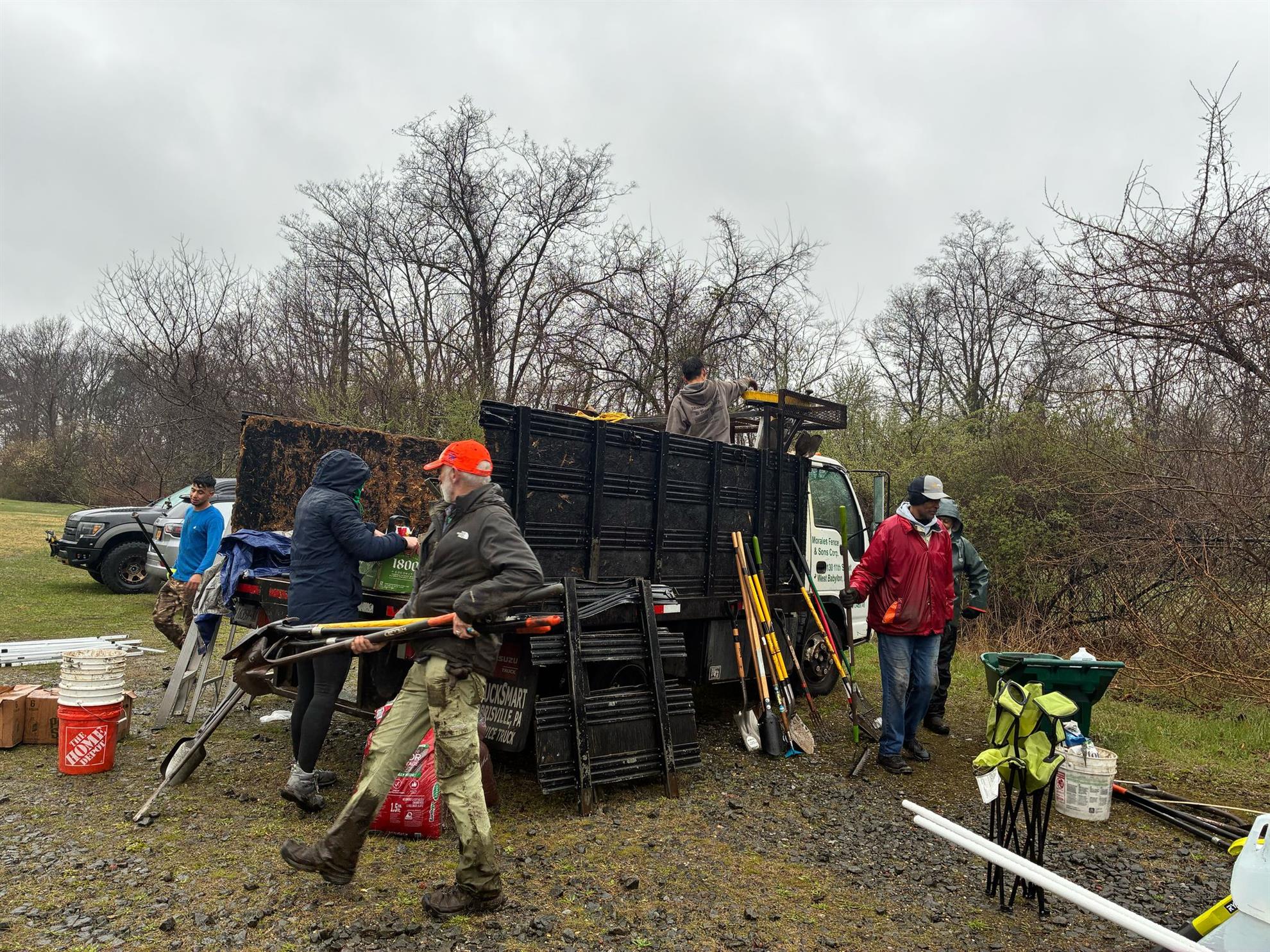
In April 2025, ERNCLI partnered with Hicks Nurseries and Atlantic Nursery & Garden Shop to bring native plant species back to Brookside Preserve. Parts of the preserve have been taken over by non-native vegetation that threatens wildlife and crowds out the native plants that bees and other local pollinators need to survive. Planting native species helps the local ecosystem recover. Flooding is also a problem: when the creek overflows its banks, plants are submerged and struggle to survive. Donated willow trees and river birches soak up excess water and help protect smaller vegetation.
Bat Boxes (April 2025)
In April 2025, ERNCLI members built and installed bat boxes in Brookside Preserve. One of the first challenges we found in the preserve was an exploding mosquito population. Brown bats are native to Long Island, and a single bat can eat thousands of insects in a night. Bat boxes give female bats a place to give birth and nurse their young, and give colonies a safe place to thrive in the preserve. In return, the bats help control mosquitoes without chemical pesticides that could harm plants and the water supply.